Food
Yara Amin
What the people who grow your food actually think about you.
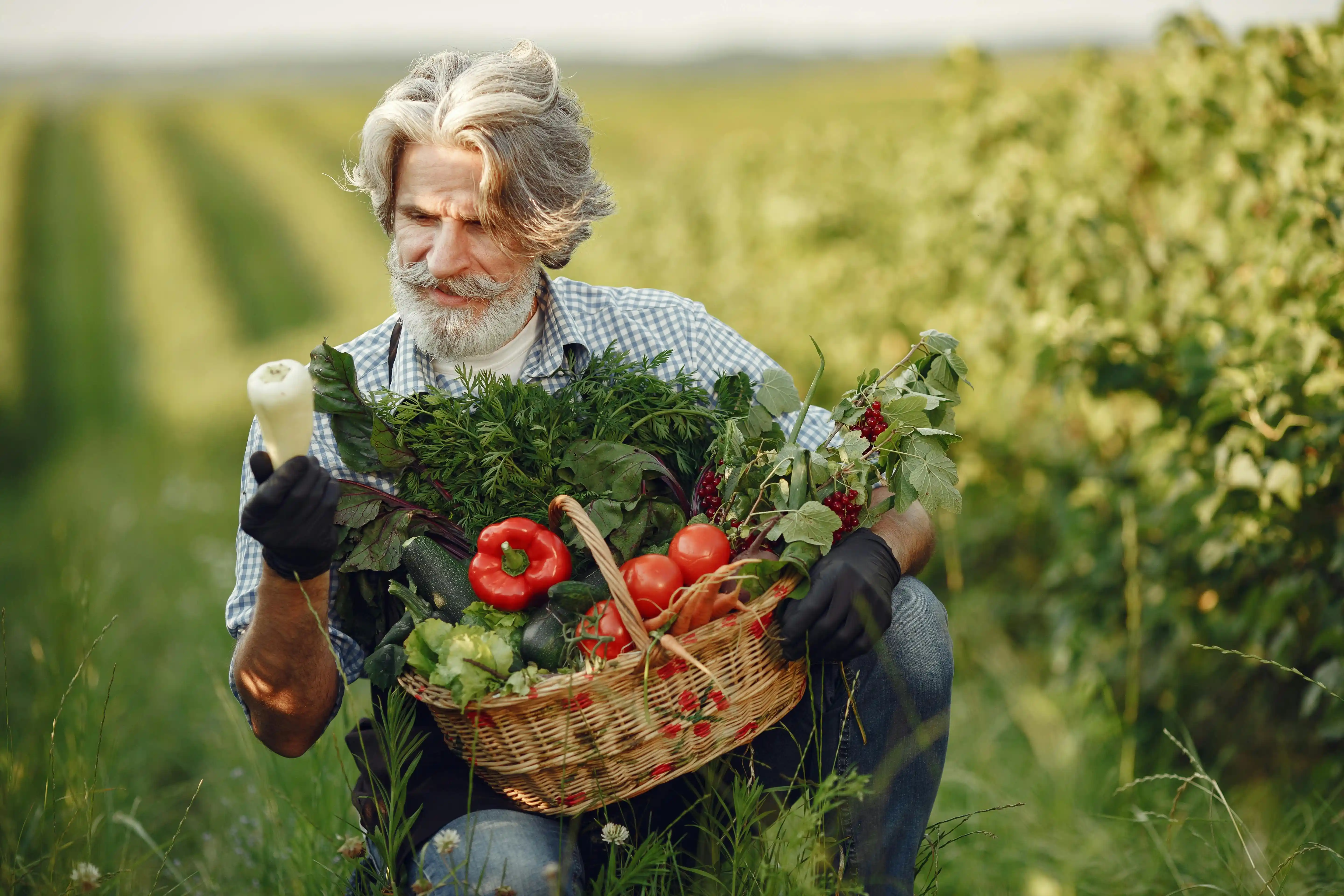
A conversation with three farmers who have been feeding cities for decades and have a lot to say about the people eating their work.
The gap between growing and eating
There is a gap between the people who grow food and the people who eat it that is wider than the distance between the farm and the table. It is a gap of understanding, of assumption, and of the stories each group tells about the other. The people who grow food have opinions about the people who eat it. These opinions are rarely solicited. They are worth hearing.
What they notice about us
The first thing the farmers I spoke to noticed about urban food consumers is the seasonality problem. Not that people do not know what is in season, though they often do not, but that they do not accept the consequences of seasonality. They want tomatoes in February. They want strawberries in November. They want the same thing to be available all year because availability has become the baseline expectation and the idea that food might not be available is experienced as a failure of supply rather than a fact of nature.
The price conversation
Every farmer I have spoken to at length eventually gets to the price conversation. Not in the way you might expect. Not with resentment, though there is sometimes resentment, but with a kind of weary bewilderment. The person who will spend twenty pounds on a cocktail will spend fifteen minutes in a supermarket trying to save thirty pence on a bag of carrots. The person who talks about valuing provenance and supporting small producers will not pay the price that provenance and small production actually cost. The gap between stated values and purchasing behaviour is one of the more consistent features of the modern food consumer.
What they want us to understand
What the farmers I spoke to most wanted to communicate was the complexity of what they do. Not in a defensive way but in a genuinely frustrated way. The growing of food is not simple. It involves soil science and weather and pest management and market timing and animal behaviour and equipment maintenance and the particular unpredictability of biology at scale. The reduction of this complexity to a price per kilogram is one of the structural problems of how food is valued. They do not expect consumers to understand all of it. They do expect them to understand that it is not simple.
The relationship they want
What every farmer I spoke to described wanting was a relationship with the people eating their food. Not a sentimental one. A practical one. The kind where the person buying knows what they are buying, why it costs what it costs, and what it took to produce. The kind where feedback travels back in both directions. The kind where the decision to buy something is based on genuine understanding rather than marketing or habit or the path of least resistance through a supermarket.
They grow the food. We eat it. The gap between those two facts is where most of the misunderstanding lives.
What changes when you understand it
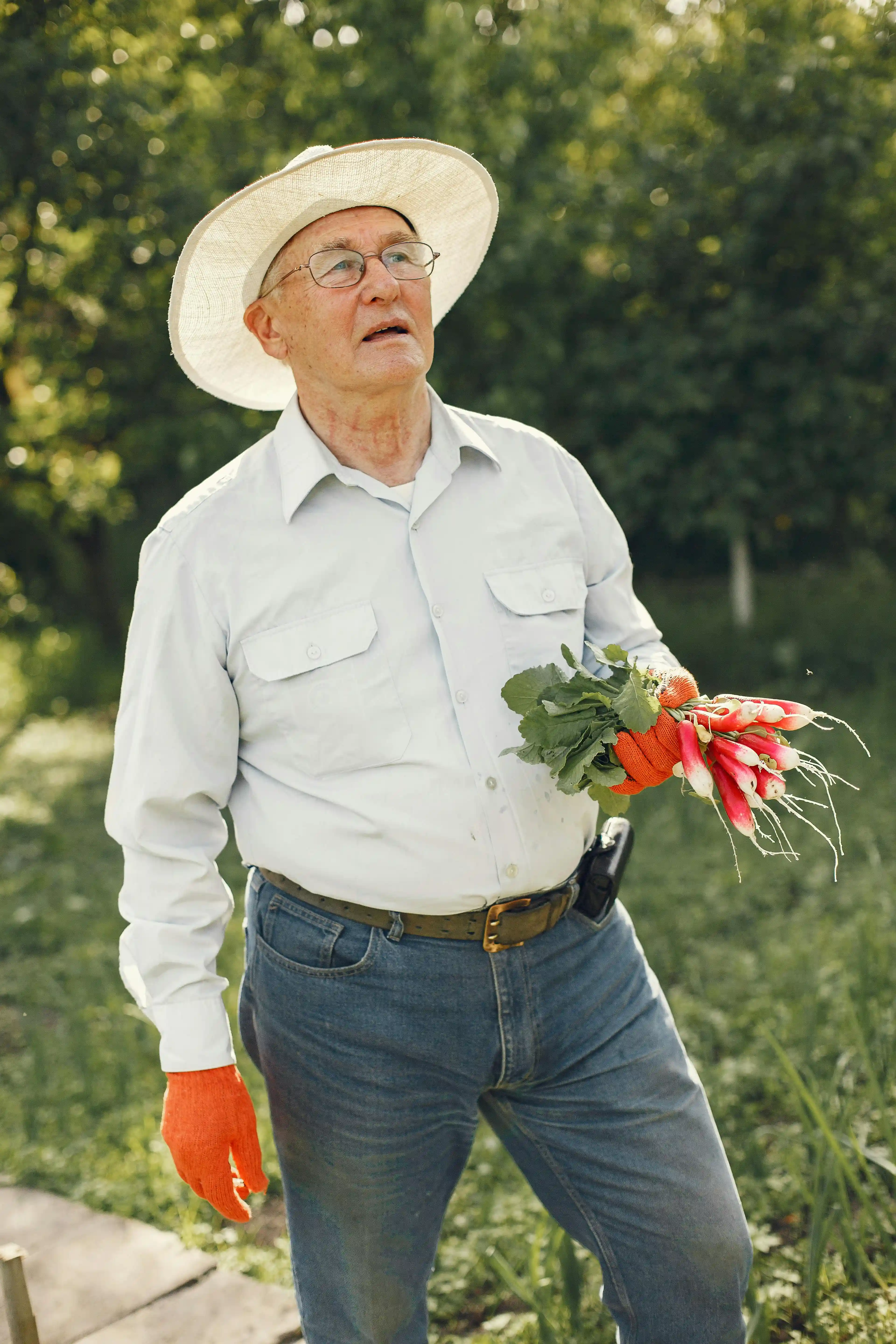
The farmers I spoke to were consistent on one point. The consumers who understand where their food comes from eat differently. Not necessarily more expensively. Differently. They make better decisions about what to buy and when. They waste less. They cook more. They are more tolerant of imperfection. A carrot that is the wrong shape is not a problem for someone who has been to the farm. It is a problem for someone whose only frame of reference is the uniform carrot in the supermarket.
What this conversation is worth
The conversation between the people who grow food and the people who eat it is one of the most important ones we are not having properly. It requires both sides to be honest about what they do not understand and willing to change behaviour based on what they learn. It is not a comfortable conversation. It is a necessary one. The food system we have is the product of decades of distance between these two groups. Closing that distance, even partially, is where the interesting changes begin.
Share this post
Never miss a piece
No schedule. No noise. Just the pieces worth reading, delivered when they are ready.

About the author
Yara Amin
Writes about culture, ideas, and the questions that take years to properly answer. Started the publication because she could not find a single place that wanted to publish everything she was interested in. Based in Athens, which she chose partly for the light and partly for the coffee.
The Commonplace letter
Written for people who still read properly.
We send when we have something worth saying. Which is often enough to be worth signing up for.