Sports
Yara Amin
On the particular loneliness of training alone.
Most of what sport requires happens when nobody is watching. That is where the interesting part is.
The part nobody sees
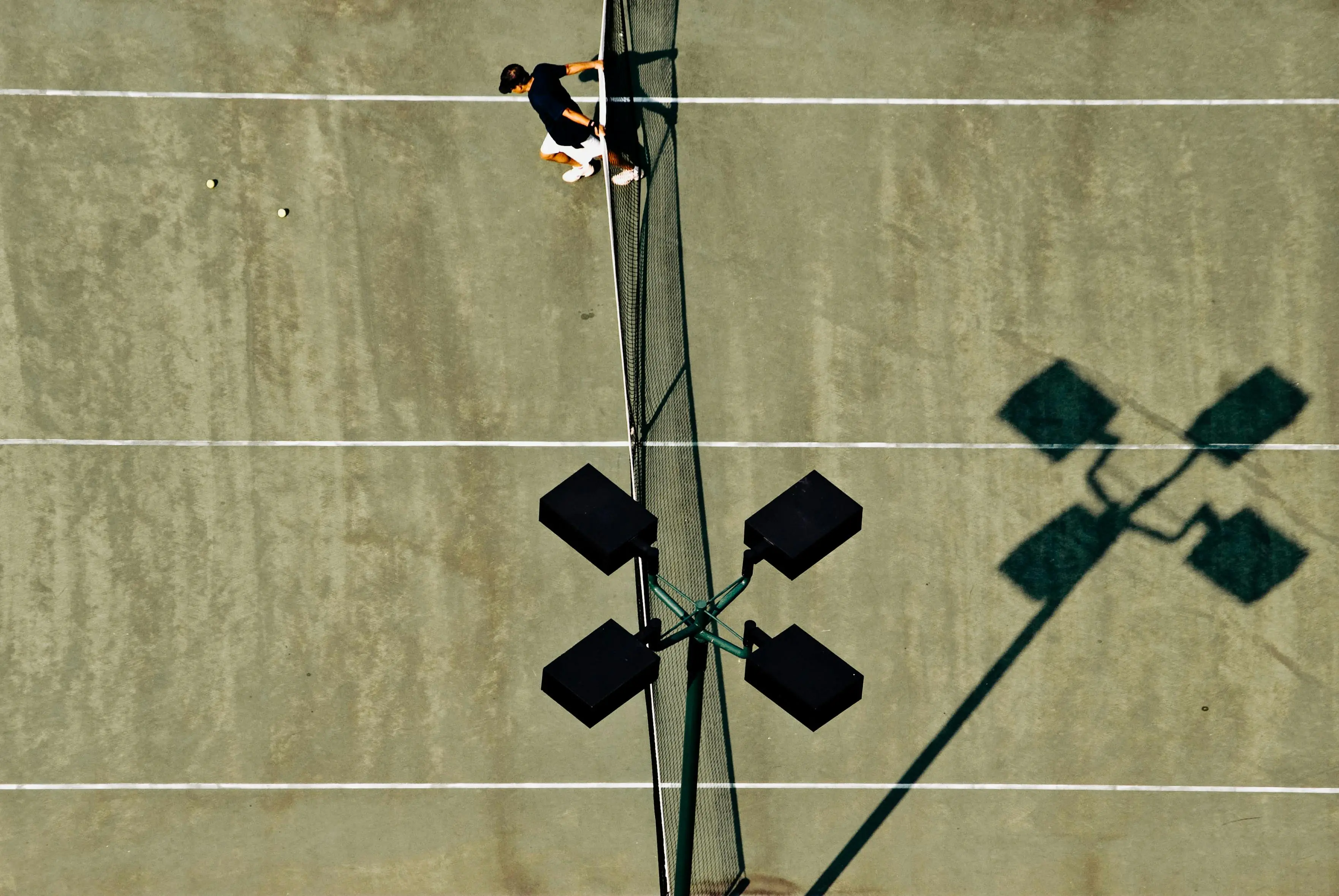
The part of sport that gets covered is the competition. The result. The performance under pressure in front of an audience. This is the visible part. It is also the smallest part. The majority of what any serious athlete does happens in training, alone or in small groups, with no audience and no immediate feedback beyond the work itself. This is where the sport actually lives. It is also the part that is almost never discussed.
What training alone feels like
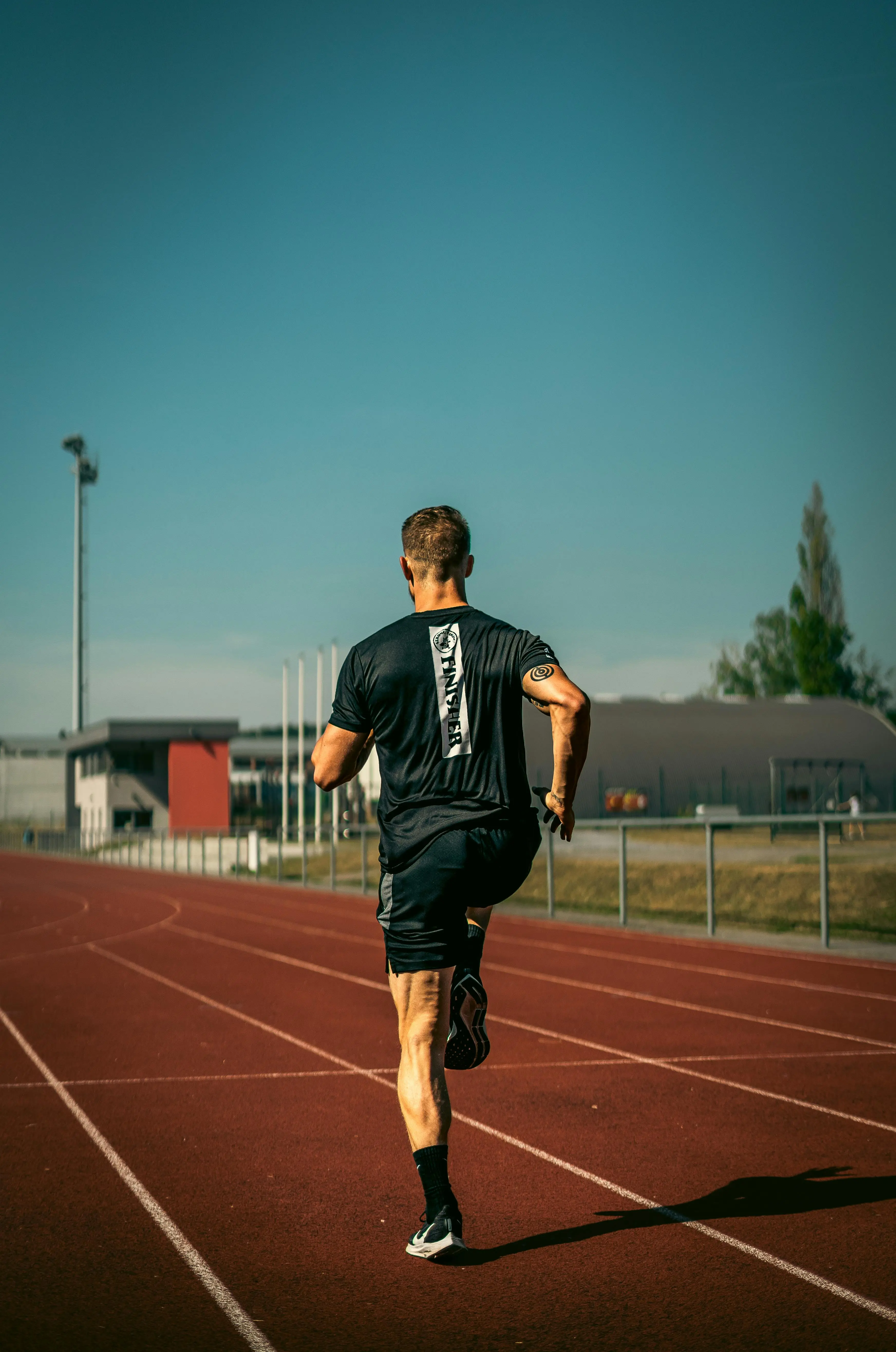
Training alone has a particular quality that is different from training with others and different again from competing. It is quieter. The feedback is slower and less clear. There is nobody to perform for and nobody to be motivated by. There is only the work and your relationship to it on that particular day. Some days this relationship is straightforward. Others it is not. The gap between the two is where most of the psychological work of being an athlete happens.
The honesty of it
Training alone is honest in a way that competition is not. Competition involves strategy and circumstance and the influence of other people. Training alone involves you and the task and nothing else. You find out quickly and clearly what you are capable of when nobody is watching. This information is sometimes encouraging and sometimes not. It is always accurate. The athlete who knows themselves through training alone has a clarity about their capabilities that the athlete who only knows themselves through competition does not.
What the repetition does
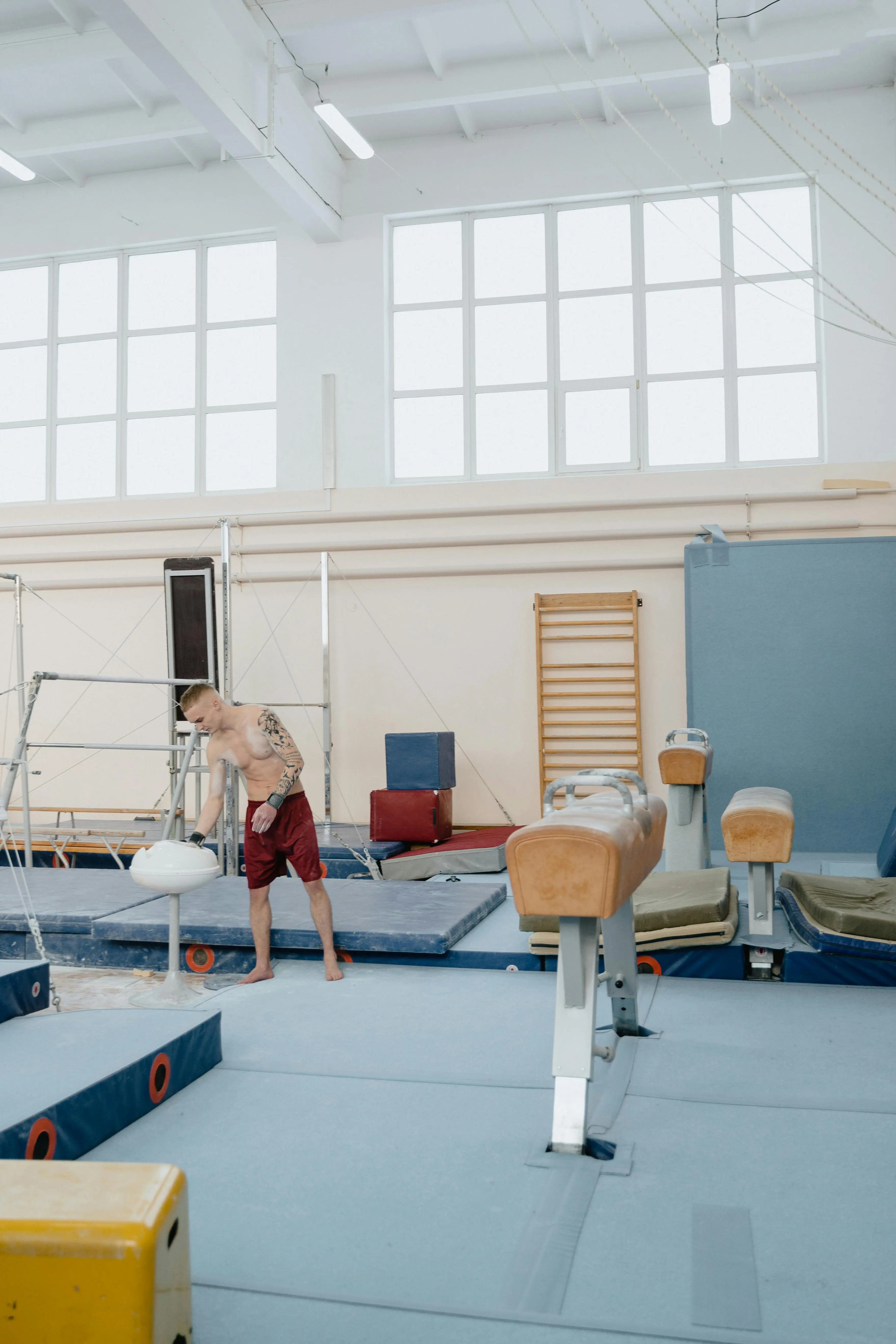
The repetition of training is not the same as the tedium of repetition. It is a different thing entirely. It is the accumulation of small improvements that are invisible individually and significant collectively. It is the building of a physical and technical capacity that cannot be rushed and cannot be shortcut. It is the practice of returning to the same thing again and again and finding, slowly, that the same thing has become different. This process is unglamorous. It is also the whole sport.
The relationship with the absence of reward
One of the things that serious training teaches you is a relationship with the absence of immediate reward. Most of what you do in training does not produce a visible result that day. The result appears later, in a competition or in a session weeks from now. You are doing work whose payoff is deferred. This is one of the more useful things sport can teach and one of the hardest. The culture outside sport is not structured to reward deferred payoffs. Sport insists on them.
Most of what sport requires happens when nobody is watching. That is where the interesting part is.
The part nobody sees
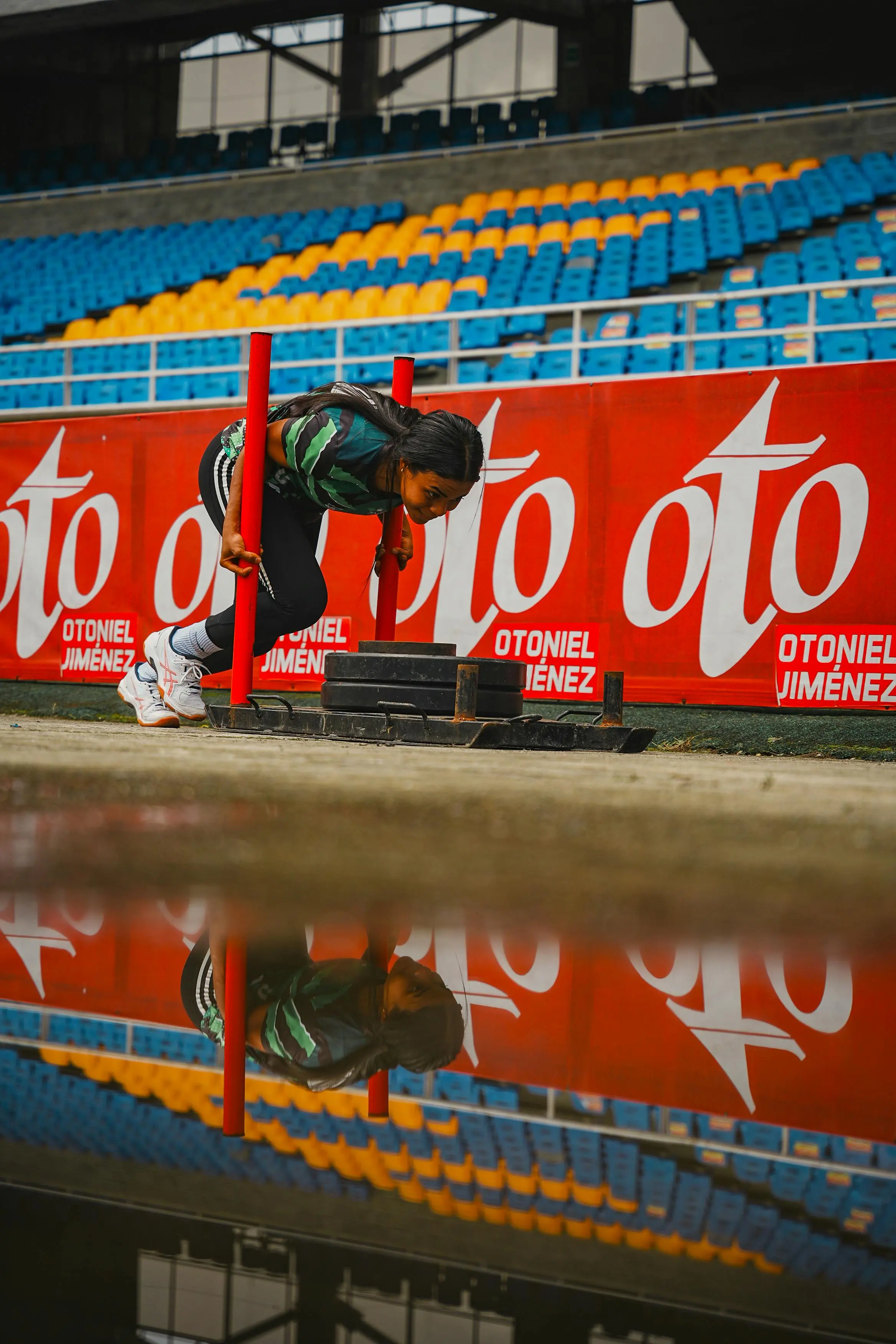
The competition is the conclusion. The training is the argument. Everything that happens in the visible moment of sport is the product of thousands of invisible hours. Understanding this changes how you watch sport and how you think about any sustained endeavour. The interesting question is not what happened in the race. It is what happened in the years before it. That is where the story is. The race is just where the story becomes visible.
What solitude in sport produces
The solitude of training alone produces a particular kind of self-knowledge. You find out what you do when the motivation disappears. What you do when the session is not going well and there is nobody to notice if you stop early. What you do when the work is the same as it was yesterday and will be the same tomorrow and the results are not yet visible. The answers to these questions tell you more about yourself than almost any other experience. They are available nowhere else.
Share this post
Never miss a piece
No schedule. No noise. Just the pieces worth reading, delivered when they are ready.

About the author
Yara Amin
Writes about culture, ideas, and the questions that take years to properly answer. Started the publication because she could not find a single place that wanted to publish everything she was interested in. Based in Athens, which she chose partly for the light and partly for the coffee.

The Commonplace letter
Written for people who still read properly.
We send when we have something worth saying. Which is often enough to be worth signing up for.