
Sports
Felix Hartmann
What sport teaches you about everything that is not sport.
The lessons worth keeping from years of competing, losing, and occasionally winning.
The classroom nobody talks about
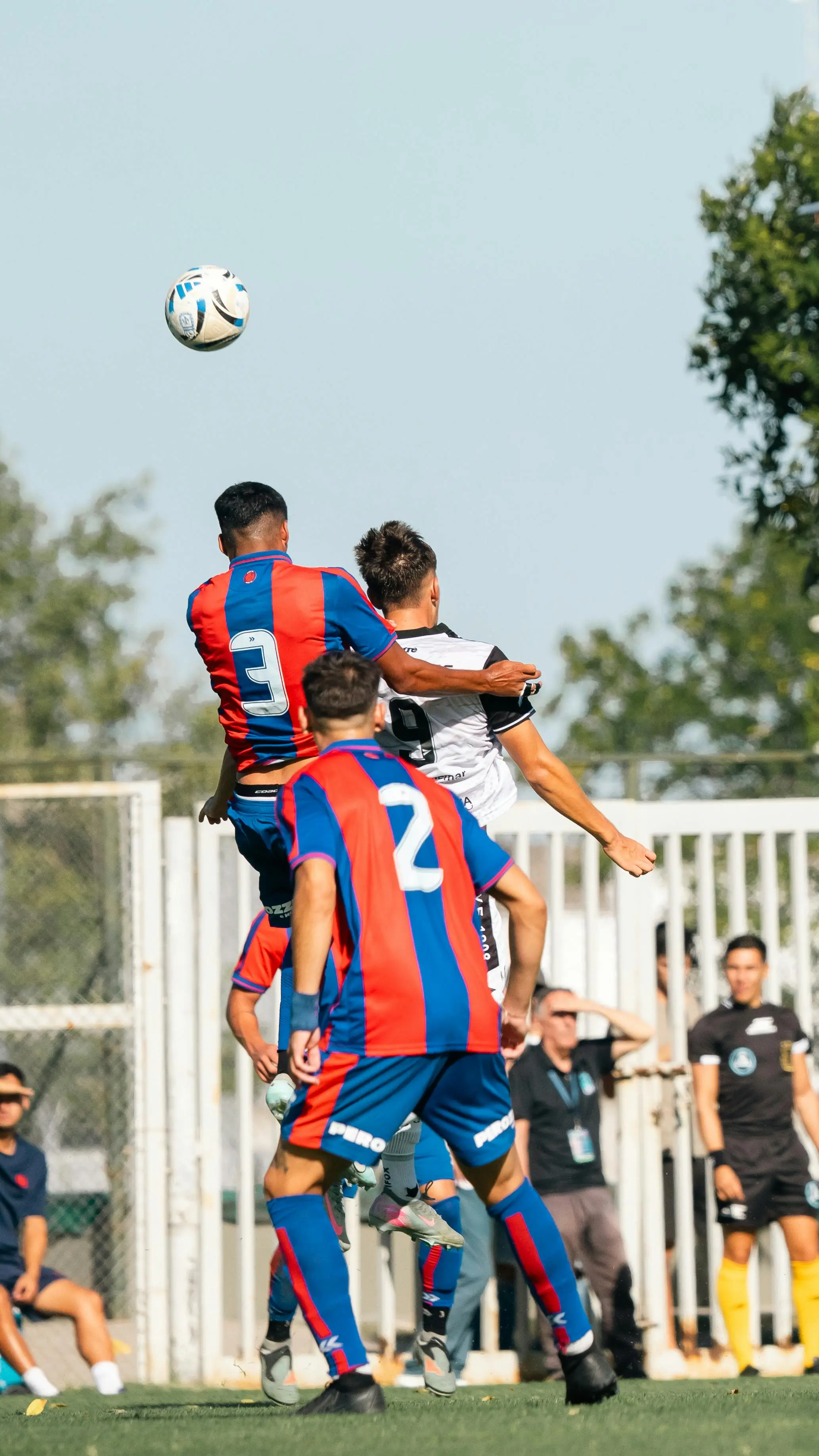
Sport is one of the most effective educational environments ever devised and almost nobody discusses it in those terms. The conversations about sport tend to be about results and statistics and the careers of exceptional individuals. They are rarely about what participation in sport does to the people doing it. What it teaches about failure and patience and the relationship between effort and outcome. These lessons are available to anyone who competes seriously at anything. They are some of the most useful lessons available.
What losing teaches you
Losing teaches you things that winning cannot. It teaches you that effort and outcome are not always correlated, which is one of the more important things to understand about life. It teaches you the difference between the things you can control and the things you cannot. It teaches you how you behave when things do not go the way you wanted, which tells you more about yourself than how you behave when they do. The people who have lost well are almost always more interesting than the people who have only won.
The relationship with your body
Serious participation in sport develops a relationship with your body that is different from any other kind of relationship with it. Not the relationship of aesthetics or health in the abstract but the relationship of capability and limitation and the particular satisfaction of finding out what you are able to do. This relationship is honest in a way that most relationships with the body are not. The body in sport does not perform. It either delivers or it does not. There is a clarity in this that is valuable and increasingly rare.
What team sport teaches you specifically
Team sport teaches you things that individual sport cannot. It teaches you that your performance is not independent of the people around you. That the quality of your contribution changes depending on who you are contributing alongside. That trust is not a feeling but a practice. That the ego is a liability in certain contexts and the absence of it is a form of skill. These lessons are available nowhere else with the same combination of immediacy and consequence.
The habits that transfer
The habits that sport builds transfer to everything else. The ability to prepare properly and perform under pressure. The willingness to do the unrewarding work that makes the rewarding work possible. The capacity to recover from failure without being defined by it. The understanding that consistency over time produces results that intensity in the short term cannot. These habits do not belong to sport. Sport is just where some people first learn them.
The lessons sport teaches you are almost never about sport. They are about everything else."

What we lose when participation stops
There is something specific that is lost when people stop participating in sport and move entirely to watching it. The lessons of participation are not available through observation. You cannot learn what losing teaches you by watching someone else lose. You cannot develop the relationship with your own body through someone else's performance. The value of sport is almost entirely in the doing. The watching is entertainment. The doing is education.
Why it is worth taking seriously
Sport is worth taking seriously as a site of learning rather than just as a site of entertainment or competition. The things it teaches are available nowhere else with the same efficiency and the same immediacy of consequence. You understand them in your body before you understand them in your head. This is a different kind of understanding and a more reliable one. The people who have it tend to be better at the things that matter outside of sport. That is not a coincidence.

Share this post
Never miss a piece
No schedule. No noise. Just the pieces worth reading, delivered when they are ready.

About the author
Felix Hartmann
Contributing writer at Commonplace. Writes about design, travel, and the decisions behind things most people use without ever thinking about. Has a habit of turning a short piece into a long one and an even worse habit of being right about it. Based in Berlin.

The Commonplace letter
Written for people who still read properly.
We send when we have something worth saying. Which is often enough to be worth signing up for.