Travel
Nadia Sorel
What nobody tells you about slow travel.
Slow travel is not a pace. It is a decision about what you are actually there for.
The version of travel nobody photographs
There is a version of travel that does not make it onto anyone's feed. No highlights, no itinerary, no best of list. Just a week in one place, most of which looks unremarkable from the outside. A morning at a local market that took two hours because there was no particular reason to leave. An afternoon that started as a walk and ended as something else entirely. This is slow travel. It is considerably better than it sounds.
What you give up and what you get
Slow travel requires giving something up. The satisfaction of having covered ground. The ability to say you went to five cities in eight days. The sense that you used the trip efficiently. What you get in return is harder to quantify but easier to remember. You start to understand the rhythm of a place rather than its highlights. You find the bar that the locals actually go to because you have been in the neighbourhood long enough for someone to mention it.
The second day is always the best
The first day anywhere is about orientation. You are still carrying the weight of wherever you came from. The second day is when things start to open up. You know where to get coffee. You have a rough sense of direction. You have stopped consulting your phone every thirty seconds. The second day is when the trip actually begins. Slow travel is built around the idea that most of the best days are not the first one.
Learning the difference between seeing and being
There is a difference between seeing a place and being in it. Seeing is what you do when you are passing through. You collect images and impressions and move on. Being is what happens when you stay long enough to stop being a tourist in your own experience. You start to notice the things that do not appear in any guide. The argument happening in the café two tables over. The way the light changes on the same street at different times of day. The fact that the best bread in the city is sold out by eight in the morning.
Why it is worth the discomfort
Slow travel is uncomfortable in a specific way. It requires sitting with the feeling that you are not doing enough. That you should be seeing more. That other people are covering more ground. This feeling passes. What replaces it is something better. A genuine familiarity with a place that most visitors never get close to. And the particular satisfaction of having actually been somewhere rather than merely having gone.
Slow travel is not a pace. It is a decision about what you are actually there for.
The conversations that only happen when you stay
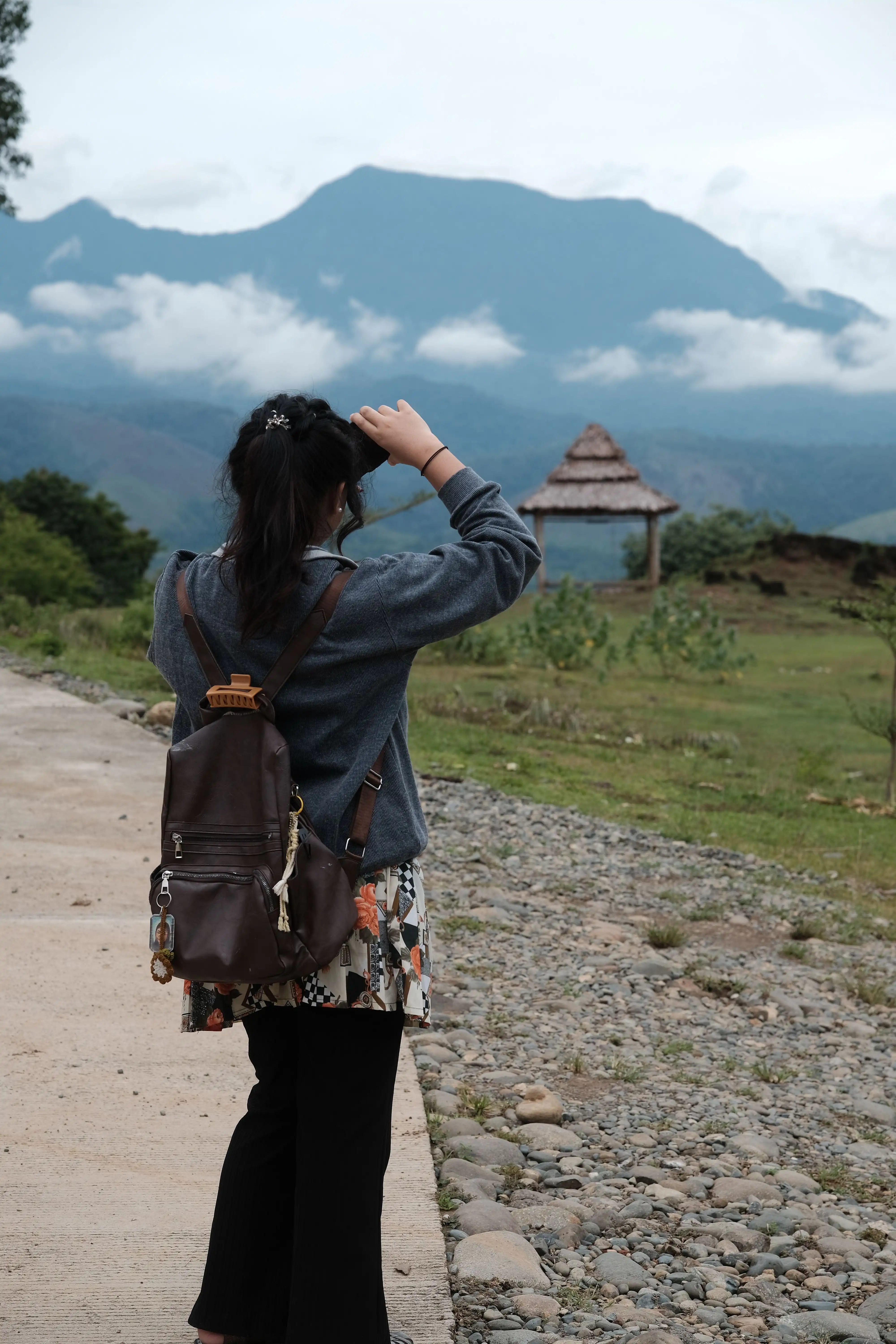
The best conversations I have had while travelling happened because I was still there when they could. The person at the café who started talking because I was reading a book they recognised. The market vendor who had something to say once I had come back enough times to seem like I meant it. These conversations do not happen on a three day itinerary. They require patience and presence and the willingness to be somewhere without immediately moving on.
What you bring back
The things worth bringing back from slow travel are not in any shop. They are a slightly different sense of what a day can contain. A recalibrated idea of how much you need in order to feel like something happened. A memory of a specific afternoon that does not photograph well but has not left you since. Slow travel does not give you more of a place. It gives you more of yourself in it.Slow travel is not a pace. It is a decision about what you are actually there for.

Share this post
Never miss a piece
No schedule. No noise. Just the pieces worth reading, delivered when they are ready.

About the author
Nadia Sorel
Covers food, ideas, and the stories that sit just underneath the surface of both. Interested in where things come from and what gets lost in the telling. Has strong opinions about markets and no opinions she is willing to keep to herself. Based in Paris, reluctantly.

The Commonplace letter
Written for people who still read properly.
We send when we have something worth saying. Which is often enough to be worth signing up for.