Food
Felix Hartmann
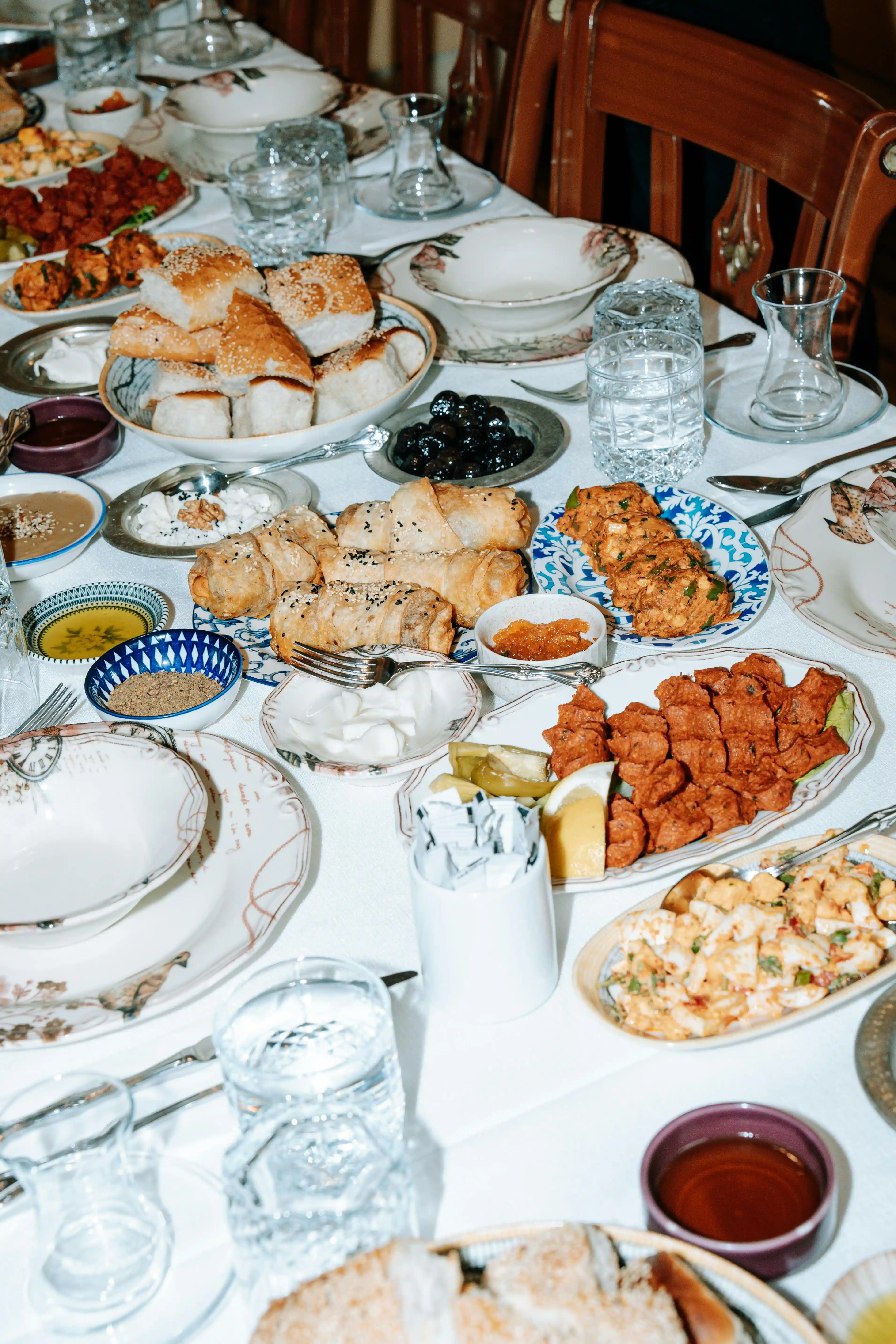
The meal that changes how you think about cooking.
Every serious cook has one. The meal that divided their relationship with food into before and after.
The before and after
Every serious cook I have ever spoken to can identify a meal that divided their relationship with food into before and after. Not necessarily the best meal they ever ate. Not necessarily the most technically impressive. But the meal that showed them something they had not understood until that moment. That changed the question they were asking about food from what does this taste like to how is this possible.
What the meal actually is
The meal that changes you is almost never what you expect it to be. It is rarely at the most celebrated restaurant. It is rarely the most elaborate preparation. It is often something simple made with such precision and understanding of its own nature that it reorganises your sense of what cooking is for. A bowl of pasta in a place with eight tables. A piece of fish cooked over wood in a village where nothing else interesting is happening. A soup that tastes like everything the season contains and nothing else.
What it shows you
What the changing meal shows you is the distance between competent cooking and cooking that understands something. Competent cooking executes technique correctly. Cooking that understands something knows why the technique exists and what it is in service of. The difference is audible in a way that is difficult to explain if you have not heard it. Once you have heard it, you cannot stop listening for it.
The ingredient question
The meals that have most changed how I think about cooking have almost all been meals that made me think about ingredients rather than technique. Not because technique is unimportant but because the meals that stay with you are almost always the ones where something was so good to begin with that the cooking was primarily an act of respect toward it. The tomato that needed almost nothing. The lamb that made its own argument. These meals shift your attention from what is being done to what is being cooked.
What you do differently after
After the meal that changes you, you cook differently. You ask different questions at the market. You are less interested in complexity for its own sake. You are more interested in understanding what you are working with before you decide what to do with it. You develop patience for the parts of cooking that are about waiting rather than doing. You start to understand that the most difficult thing in cooking is not the hardest technique but the restraint to use the simplest one when that is what the ingredient needs.
The meal that changes you is rarely the most expensive one. It is the one that showed you something you had not seen before.

Why it keeps happening
The interesting thing about the meal that changes you is that it keeps happening. Not as often as the first time but regularly enough to remind you that your understanding is not finished. You will eat something that reorganises what you thought you knew. You will encounter a cook who is asking questions you had not thought to ask. You will taste something that makes the thing you made last week seem like a first draft. This is not discouraging. It is the correct relationship with a discipline that does not have an end.
How to find it
You cannot engineer the meal that changes you. You can increase the likelihood of encountering it by eating broadly and paying attention when you do. By going to the places where people are cooking with genuine conviction rather than commercial calculation. By eating things that are unfamiliar and sitting with the unfamiliarity long enough to understand it. By bringing your full attention to the table rather than half of it. The meal is out there. The only requirement is that you are present enough to receive it.
Share this post
Never miss a piece
No schedule. No noise. Just the pieces worth reading, delivered when they are ready.

About the author
Felix Hartmann
Contributing writer at Commonplace. Writes about design, travel, and the decisions behind things most people use without ever thinking about. Has a habit of turning a short piece into a long one and an even worse habit of being right about it. Based in Berlin.

The Commonplace letter
Written for people who still read properly.
We send when we have something worth saying. Which is often enough to be worth signing up for.