Culture
Felix Hartmann
On the slow disappearance of things we did not know we would miss.
Some things vanish so gradually you do not notice until they are already gone.
The things that go without announcement
Some things end with a clear moment you can point to. A date. A decision. A definitive before and after. Most things do not end this way. Most things simply become less present and then absent and then a memory of something that used to exist. You do not notice the last time you did something when it is the last time. You only notice later, when you reach for it and find it gone.
The texture of ordinary life
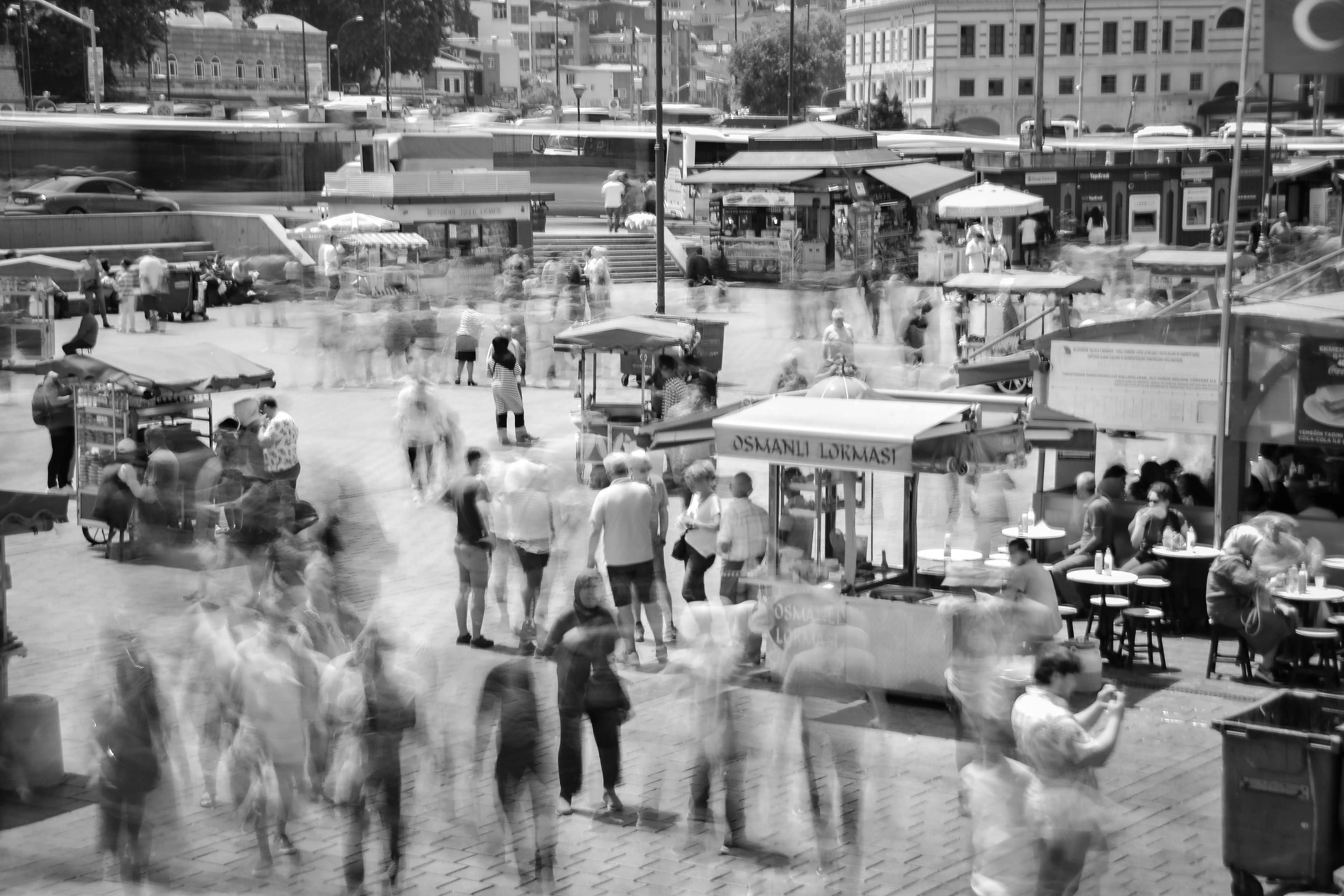
The things I am thinking about are not grand cultural losses. They are smaller than that. The particular smell of a shop that has been replaced by something else. The way a neighbourhood felt before it became desirable. The version of a city that existed before the city knew about itself. These things are not important in the way that important things are important. But their absence changes the texture of ordinary life in ways that are hard to articulate and impossible to reverse.
What we lose when we lose the unremarkable
There is an argument that the things worth preserving are the significant ones. The monuments, the institutions, the major works. This argument is not wrong but it misses something. The unremarkable things are often where the actual character of a place or a culture lives. The café that has been there for forty years not because it is good but because it has always been there. The bookshop that sells things nobody else stocks. The corner that has never been redeveloped. These things do not make the preservation list. They disappear anyway.
The pace of it
What makes this kind of loss difficult to respond to is the pace. It does not happen all at once. It happens incrementally, decision by decision, lease by lease, one unremarkable thing at a time. By the time you notice the pattern, the pattern is already established. The neighbourhood has already changed. The character is already different. You are mourning something that disappeared while you were looking at something else.
The things we take for granted
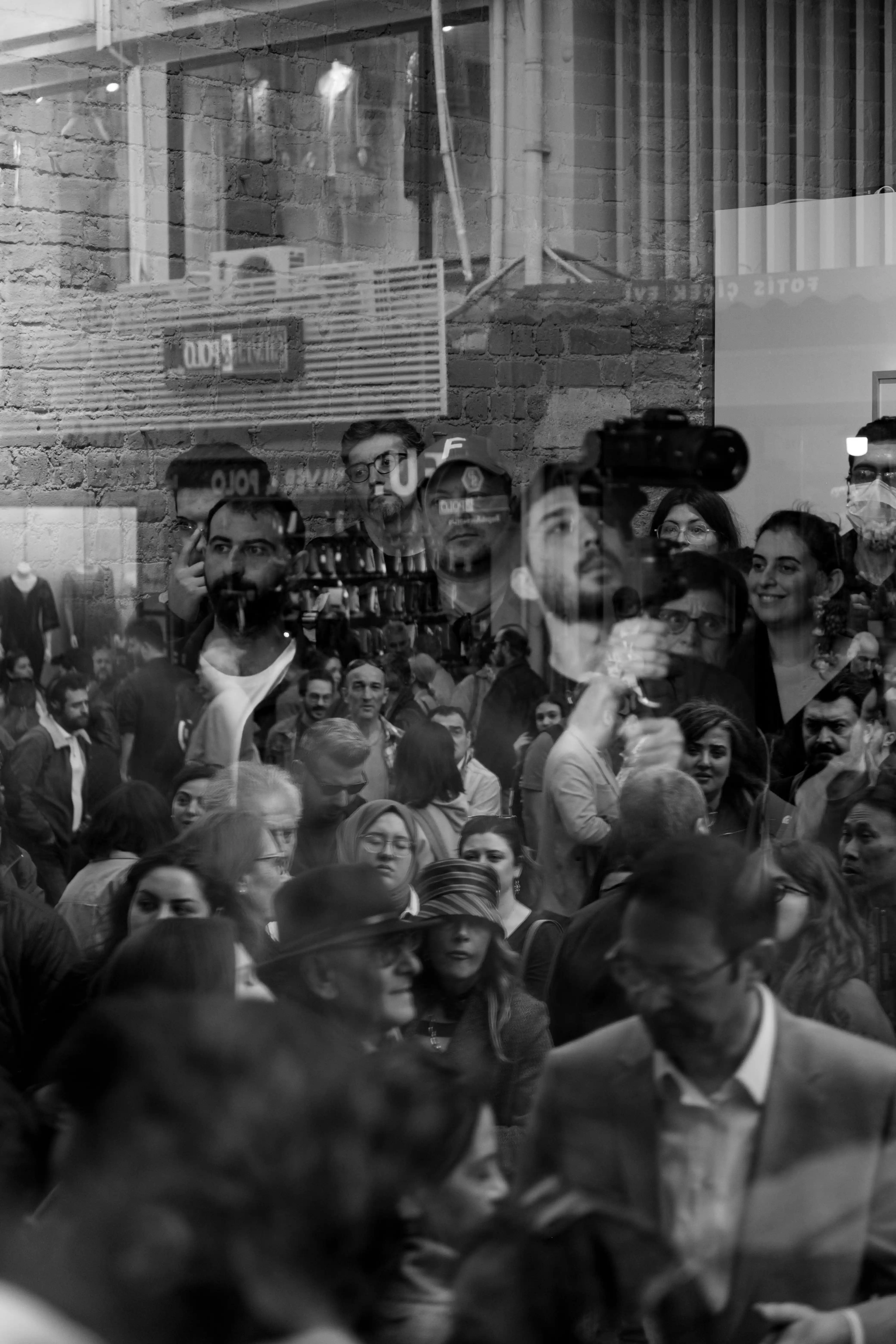
The things most at risk of quiet disappearance are the ones we take for granted. We take them for granted because they are always there. Because we assume they will continue to be there. Because we have not had to imagine a version of our environment without them. This is a reasonable assumption until it is not. The things we take for granted are the ones we grieve most when they go.
The things that disappear gradually are the hardest to mourn because you never had a last time.
What you can do about it
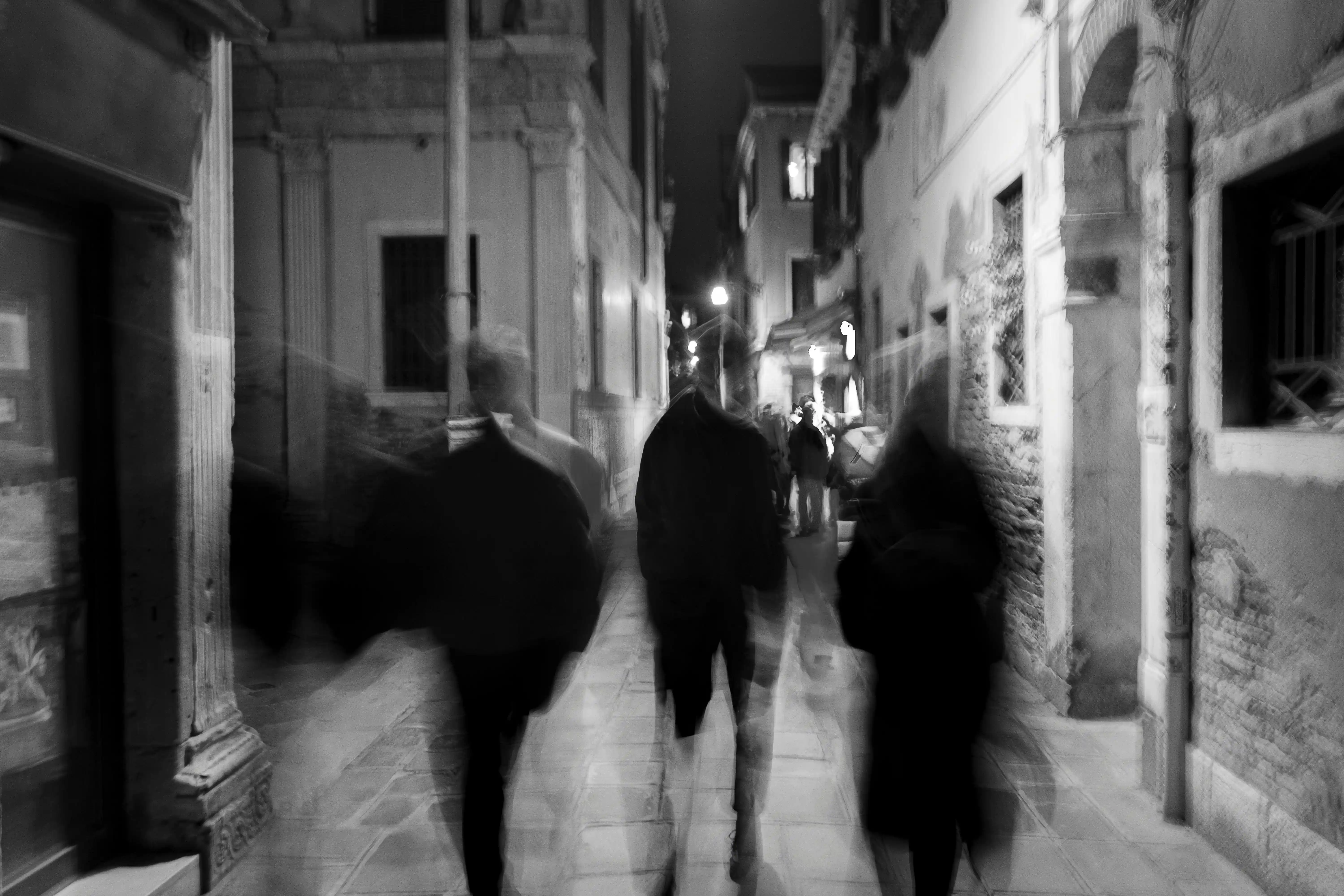
I am not sure there is a clean answer to this. You cannot preserve everything and the attempt to do so tends to produce its own distortions. But there is something in between preservation and indifference. It is attention. Noticing the things that are there. Using the café, the bookshop, the unremarkable corner. Not because you think your patronage will save it but because if it is going to go, you want to have been present for it while it was here.
What we are left with
What we are left with, in the end, is memory. And memory is unreliable and partial and shaped by everything that has happened since. But it is something. It is the record of a texture that existed once and does not exist anymore. That is not nothing. That is, in fact, quite a lot. The act of paying attention is also the act of keeping something, even when keeping it is the one thing that is not possible.

Share this post
Never miss a piece
No schedule. No noise. Just the pieces worth reading, delivered when they are ready.

About the author
Felix Hartmann
Contributing writer at Commonplace. Writes about design, travel, and the decisions behind things most people use without ever thinking about. Has a habit of turning a short piece into a long one and an even worse habit of being right about it. Based in Berlin.
The Commonplace letter
Written for people who still read properly.
We send when we have something worth saying. Which is often enough to be worth signing up for.