Food
Nadia Sorel
On the politics of a shared table.
What we eat together says more about us than what we eat alone.
The table as a statement
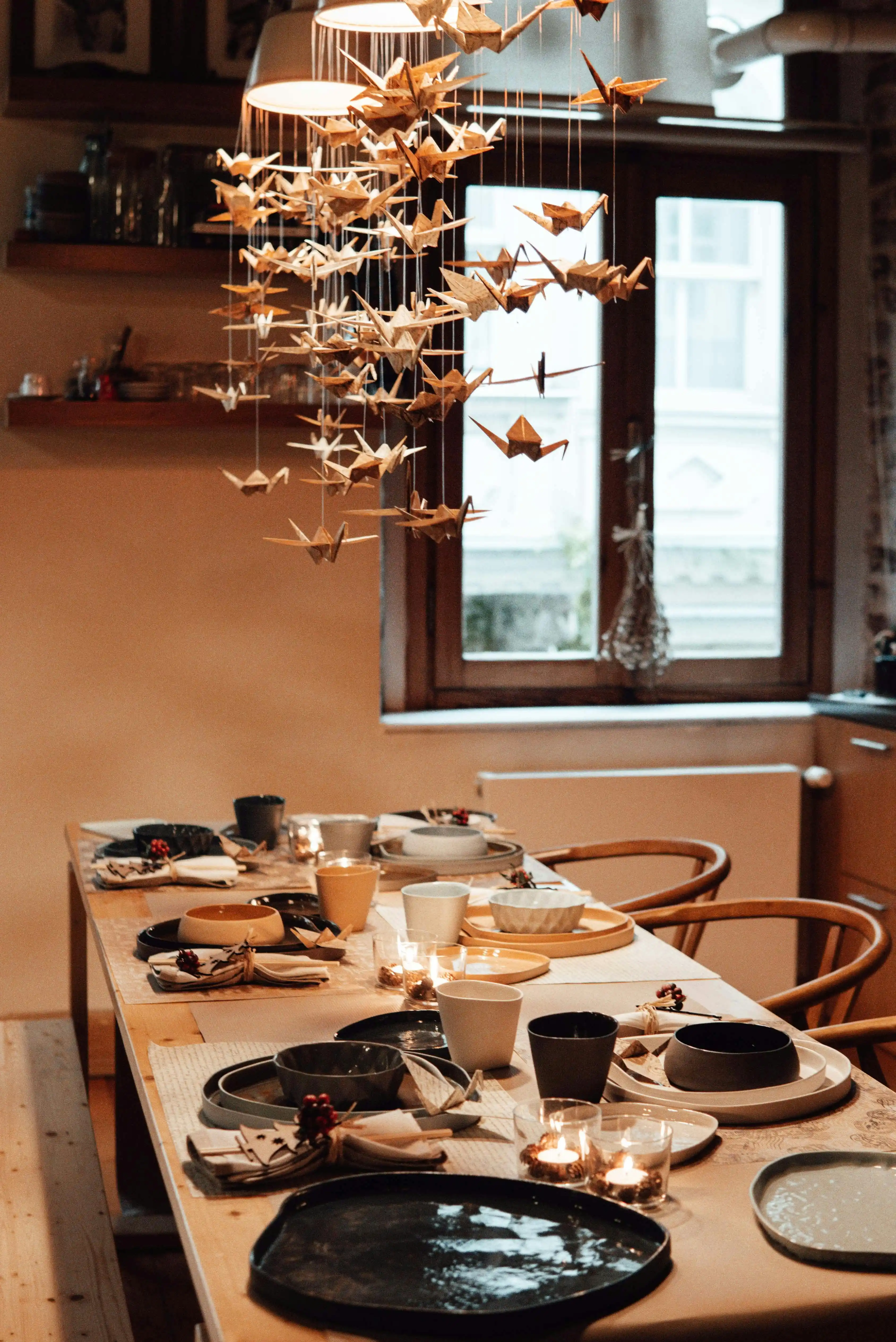
Every shared meal is a statement of some kind. Who is invited and who is not. What is served and what is conspicuously absent. Whether the food reflects the host or attempts to reflect the guests. Whether the table is a place where disagreement is possible or where agreement is assumed. These are not trivial decisions. They are cultural ones. The table has always been one of the places where the values of a household, a community, a society make themselves visible.
What sharing food actually does
There is a reason that sharing food has been central to human relationships across every culture and every era. It is not just practical. It is physiological and psychological in ways that are only beginning to be properly understood. Eating together slows the pace of the encounter. It creates a rhythm of conversation that alternates with the attention required for eating. It produces a kind of intimacy that is different from the intimacy of talking without doing anything else. Something about the shared vulnerability of eating in front of another person changes the quality of what is possible between them.
The meals that matter most
The meals that matter most in any life are almost never in restaurants. They are in kitchens and around tables where something real is happening. The Sunday lunch that has been going on for thirty years. The dinner that happened the night before something changed. The meal that was the first one in a new place. The last one before someone left. These meals are remembered not primarily for what was eaten but for what was present in the room. The food was the occasion. The occasion was the point.
What we have lost at the table
There is evidence that shared meals are becoming less common in the places where they were once most reliable. People eat alone more often. Families eat together less. The meal as a daily rhythm is being replaced by eating as a task to be completed efficiently. This is not simply a shift in behaviour. It is a shift in the conditions under which the conversations that hold people together can happen. The table is one of the few remaining spaces where the pace slows by necessity. Losing it has consequences that show up elsewhere.
The table as a political space
The table has always been a political space. Who sits at it. Who serves and who is served. What is considered proper food and what is considered foreign or strange. What is discussed and what is avoided. These questions have been argued over the table for as long as there have been tables. The contemporary version of this argument is about whose food gets to be elevated into cuisine and whose gets to be merely ethnic. It is about which diets are treated as choices and which as cultural deficits. These arguments matter. They are worth having out loud rather than around the table in coded ways.
The table is the oldest political space we have. We have just forgotten that it is a political space.
What a good shared meal requires
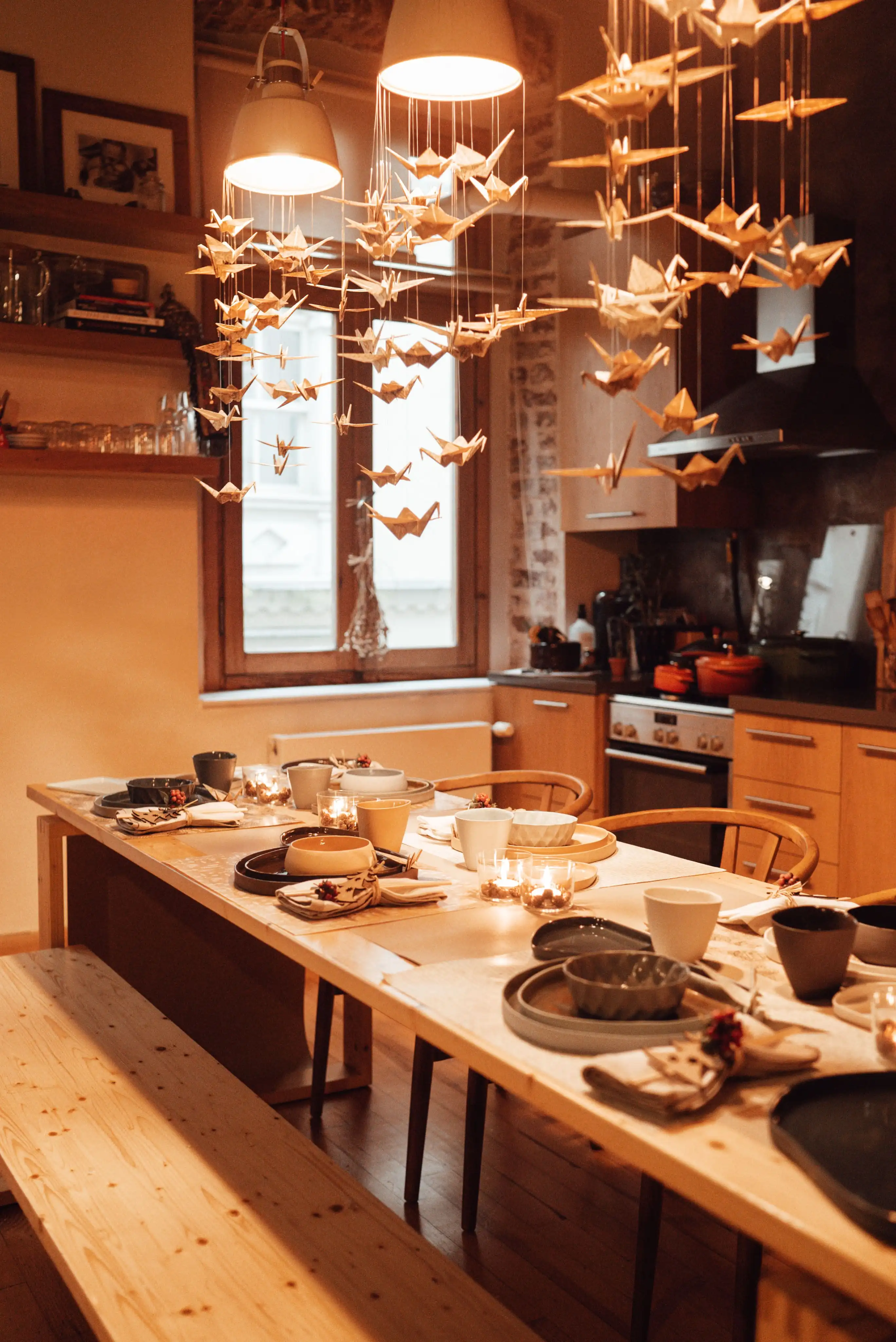
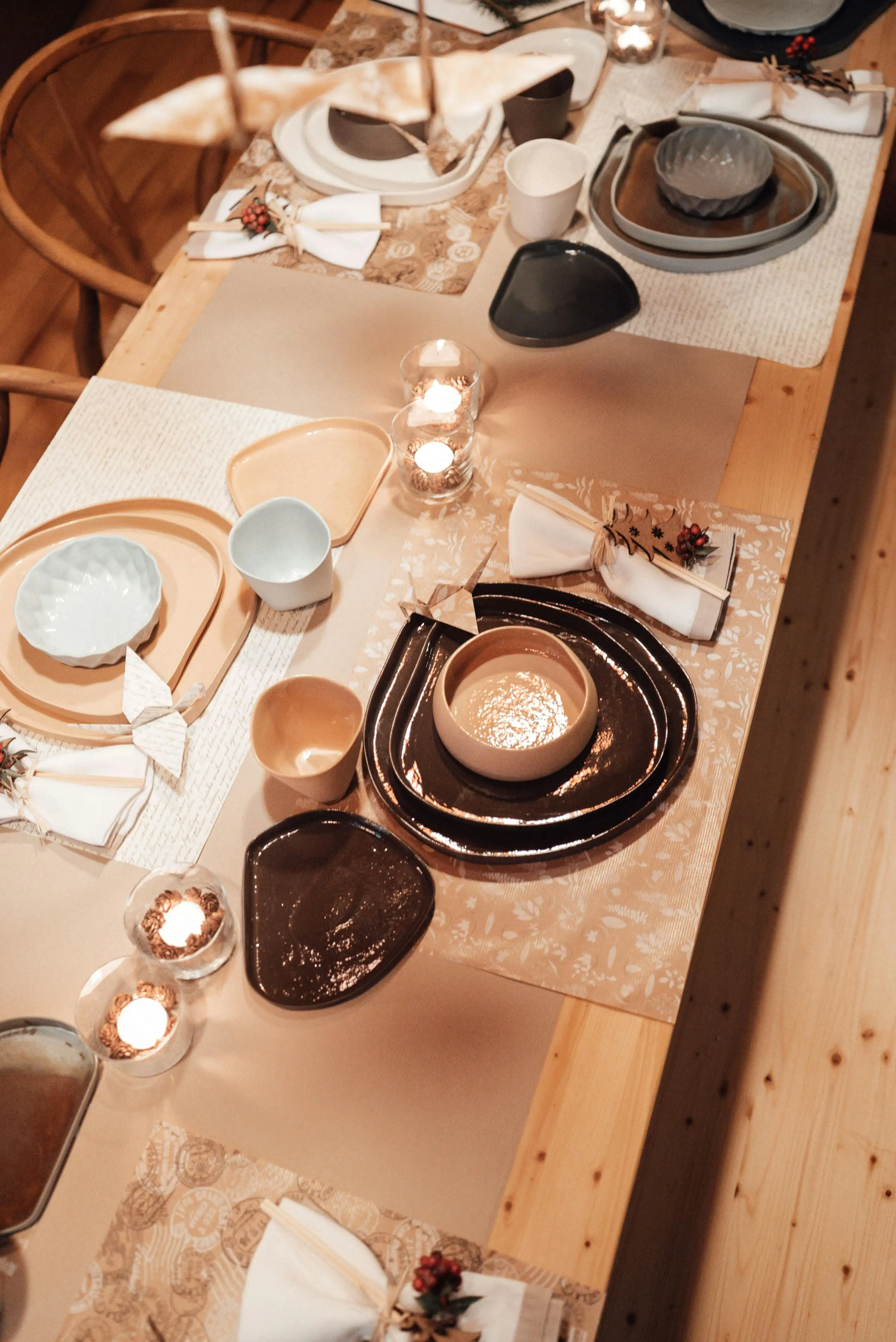
A good shared meal requires generosity as its operating principle. Generosity about the food itself. Generosity about the people at the table. Generosity about the pace, which means not rushing anyone and not performing for anyone. It requires the host to have thought about the guests and the guests to have brought their attention rather than just their appetite. It requires everyone present to treat the table as a place worth being rather than a task worth completing. These are not high standards. They are simply the conditions under which the table does what it is supposed to do.
Why it is worth protecting
The shared table is worth protecting not because it is sentimental but because it is functional. It is one of the last reliable spaces in daily life where slow conversation is the expected activity. Where the pace is determined by the meal rather than by the next thing. Where the people present are, by the fact of being present, committed to each other for the duration of it. In a culture that is progressively less willing to commit to anything for any duration, the table is a small and important act of resistance.
Share this post
Never miss a piece
No schedule. No noise. Just the pieces worth reading, delivered when they are ready.

About the author
Nadia Sorel
Covers food, ideas, and the stories that sit just underneath the surface of both. Interested in where things come from and what gets lost in the telling. Has strong opinions about markets and no opinions she is willing to keep to herself. Based in Paris, reluctantly.
The Commonplace letter
Written for people who still read properly.
We send when we have something worth saying. Which is often enough to be worth signing up for.