Design
Felix Hartmann
On the objects that outlast the moment they were made for.
Good design is mostly invisible. That is exactly what makes it so hard to talk about.
The objects that stay
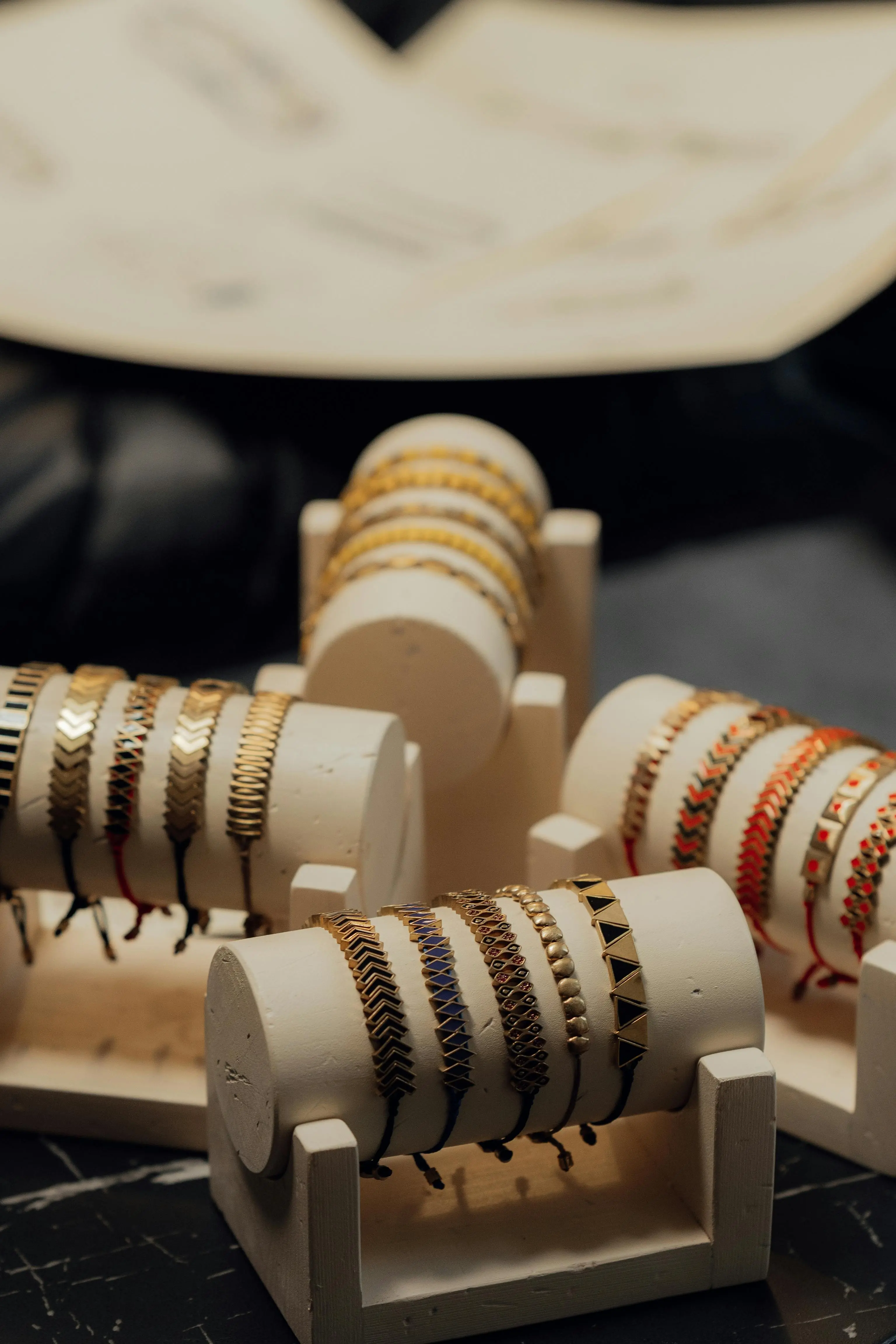
Most designed objects have a lifespan. They are made for a moment, serve that moment, and are replaced when the moment passes. A small number of objects do something different. They arrive, solve a problem so completely that there is nothing left to improve, and simply stay. They outlast the designers who made them, the companies that produced them, the cultural moment that needed them. They become permanent in the way that very few things become permanent.
What makes something last
The objects that last tend to share certain qualities. They do exactly what they are supposed to do and nothing more. They are honest about what they are made of. They improve with use rather than degrading with it. They have a quality that is difficult to name but easy to feel when you hold them. A rightness. A sense that every decision made in the process of their creation was in service of the thing itself rather than the impression it would make.
The difference between timeless and classic
There is a distinction worth making between timeless and classic. Classic means belonging to a tradition. Timeless means transcending one. A classic design is recognised as significant within its field. A timeless one is significant outside it. The Eames chair is classic. A good knife is timeless. The difference is whether the object is primarily in conversation with the history of design or primarily in conversation with the person using it.
What fashion does to design
Fashion is the enemy of timelessness and also one of its most useful tests. An object that survives being fashionable and then unfashionable and then fashionable again has passed the test that most designed objects fail. It was not made for a moment. It was made for a use. The moment passed and the use remained. This is a harder thing to design than it sounds. It requires resisting every pressure to make the thing of the time and focusing instead on making the thing of the task.
The objects worth buying once
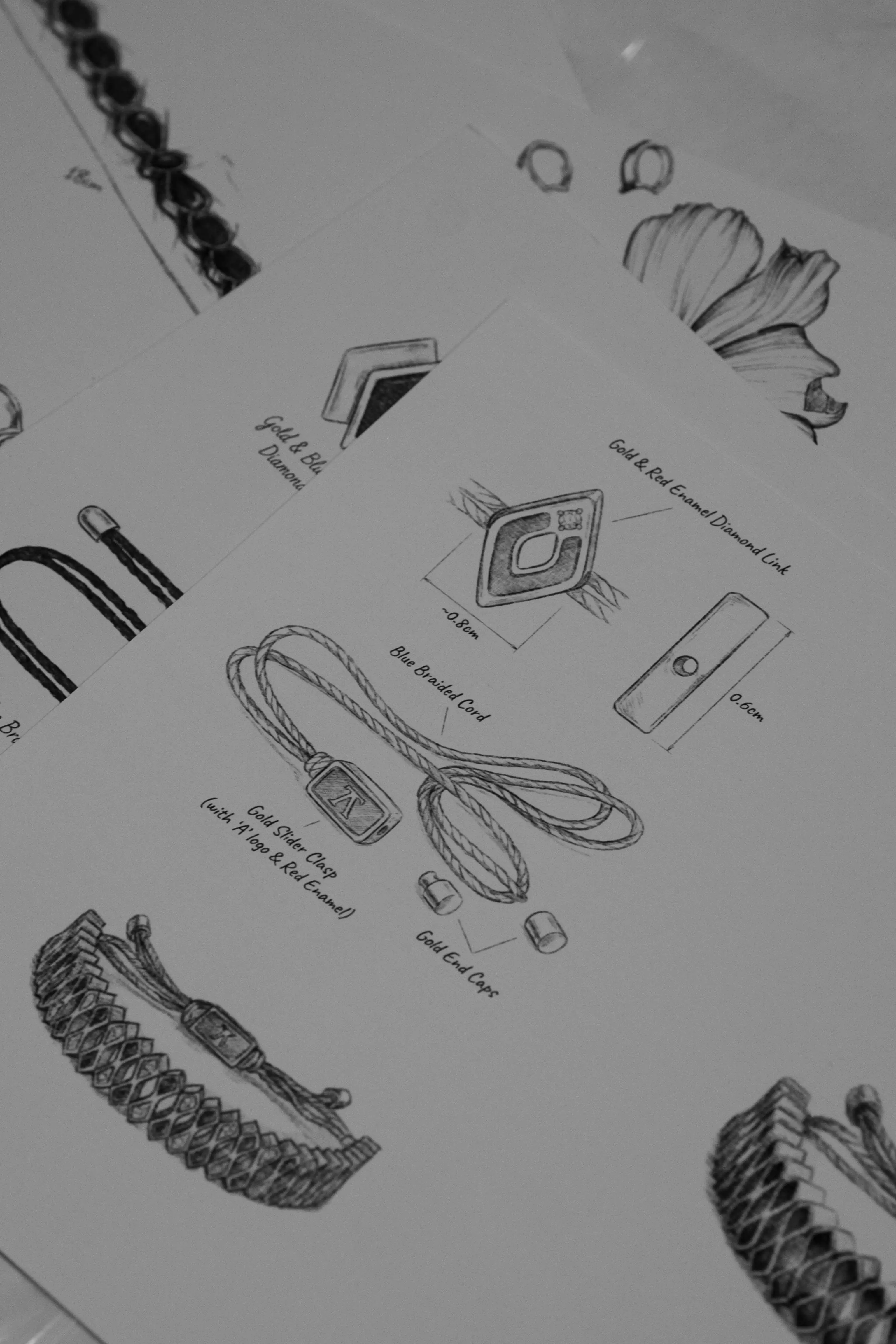
There is a category of object worth buying once and keeping for the rest of your life. These objects are not always expensive, though they sometimes are. They are always well made, which means they were made by someone who cared more about the object than the margin. They improve over time. They become yours in a way that replaceables do not. They accumulate a kind of presence that has nothing to do with sentiment and everything to do with quality.
The objects that last are the ones that solved the problem so completely there was nothing left to improve.
What we lose when we stop making them
The drift toward disposability has cost us something that is difficult to quantify. Not just the objects themselves but the relationship with objects that permanence requires. When nothing is meant to last, you stop paying attention to things in the way that lasting things reward. You stop noticing quality because quality has no payoff in a disposable economy. You stop developing the eye for the thing made with care because the thing made without care is everywhere and considerably cheaper.
Why it is worth paying attention to
The objects that outlast their moment do so because they were made with integrity. That integrity is visible to anyone who pays attention to it. Developing the ability to recognise it is worth the effort not just for the objects it helps you find but for what it teaches you about making things in general. The standards that produce a lasting object are the same standards that produce lasting work of any kind. The materials are different. The thinking is the same.
Share this post
Never miss a piece
No schedule. No noise. Just the pieces worth reading, delivered when they are ready.

About the author
Felix Hartmann
Contributing writer at Commonplace. Writes about design, travel, and the decisions behind things most people use without ever thinking about. Has a habit of turning a short piece into a long one and an even worse habit of being right about it. Based in Berlin.
The Commonplace letter
Written for people who still read properly.
We send when we have something worth saying. Which is often enough to be worth signing up for.